U-SoA Spring 2026 Final Reviews

GET STARTED
1
Request Info
2
Visit
3
Apply
Morning sessions: 9:00 am to 12:00 pm
Afternoon sessions: 1:30 pm to 5:00 pm

Wednesday, April 20, 2026

Open All Tabs
  • ARC 407-510-609: CANIN UPPER-LEVEL DESIGN (Correa/Zeghar)

    spring 2026
    Geriatric Clinic by Gabrielle Standfield

    THE BRIAN CANIN STUDIO: A PORTUGUESE ENCLAVE IN MIAMI

    Faculty: Jaime Correa and Yasmine Zeghar

    Location: Korach Gallery

    Time: Morning Session

  • ARC 306: ARCHITECTURE DESIGN VI (Sarli, Coordinator)

    306

    NORTH BEACH YOUTH CENTER

    Faculty: Edgar Sarli (Coordinator), Jorge Hernandez, Elizabeth Cardona, Martin Moeller, Steven Fett, Jaime Correa, Cristina Canton, Carie Penabad 

    Location: Murphy A, B, C and Curved Wall Space; Old Gallery; Building 48, Room 320 and 330; Korach Gallery

    Time: Afternoon Sessions

    Description: The BUILDING STUDIO Tropical Architecture for the Future - Integrated Design will engage in the widely recognized need for architecture to improve and eventually eliminate its contribution to global warming and climate change, as well as to search for solutions rooted in design to develop new resilient building types. In response to the International Energy Agency prediction that the growing use of air conditioners in homes and offices around the world will be one of the top drivers of global electricity demand over the next three decades, the studio challenges the notion that all inhabitable spaces require mechanical cooling. The “universality” of the air conditioner is a relatively new phenomenon, and architecture has historically proven to be capable of sustaining and enriching human life without it. Each team will analyze the program and in consequence, articulate a comprehensive plan including a minimum of 50% of the project to be passively cooled.  

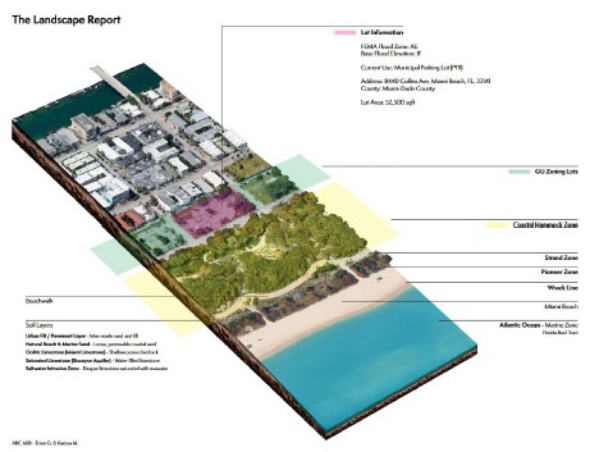
    The focus of the studio is the design of a public facility dedicated to the young population of the North Miami Beach area. In recent years, there has been a population shift to the northern part of the island, resulting on an increase in demand for public space and civic activities outside the existing commercial corridors. The site is a parcel of land measuring 320’ x 175’ belonging to the area known as the West Lots, between 82nd and 83rd Street. The West Lots are a strip of land west of Collins Avenue, stretching from 79th to 87th Street, owned by the City of Miami Beach. These extraordinary parcels are only separated from the Atlantic Ocean by the North Beach Oceanside Park and are adjacent on the west side to the North Shore Historic District. On the project lot there is currently a skate park that draws many athletes of all ages, but predominantly school age children and young adults. The already existing intensity on the site strongly suggests that the Youth Center could be the catalyst of a transformation of the West Lots into a North Beach civic center.  

  • RED 660: URBAN REDEVELOPMENT (Bohl/Hernandez)

    spring 2026 

    URBAN REDEVELOPMENT

    Faculty: Dr. Charles Bohl and Tim Hernandez

    Location: Glasgow Hall

    Time: Afternoon Sessions

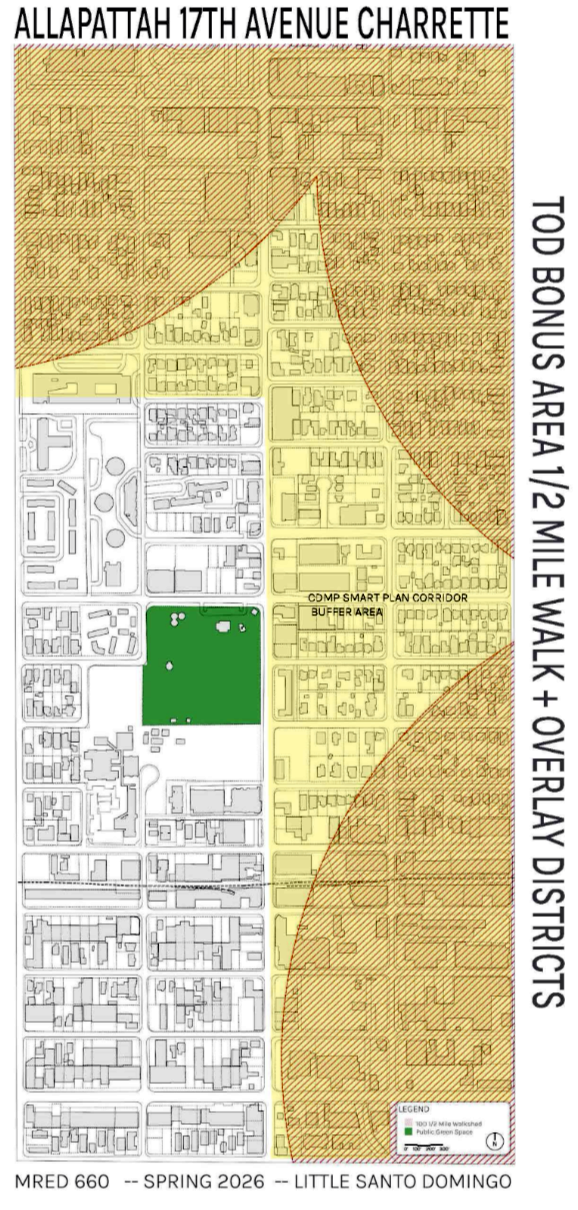
    Description: This capstone allowed small teams of students to identify their own small to medium scale sites and come up with a variety of urban infill and redevelopment proposals. The review will feature student team presentations for eight different sites in the Little Santo Domingo neighborhood of Allapattah, where the School previously held a community Capstone Workshop in 2014.

Wednesday, April 22, 2026

Open All Tabs
  • ARC 204: ARCHITECTURE DESIGN IV (Cure, Coordinator)

    fish market

    MIAMI FISH MARKET

    Faculty: Adib Cure (Coordinator), Alice Cimring, Pablo Duenas, Carolina Calzada, Israel Martinez, Elmira Moskvina, D’Ann Tollett, Maclane Elizabeth Regan, Peter Kilidjian 

    Location: Murphy A, B, C and Curved Wall Space; Glasgow Hall; Old Gallery; Building 48, Room 320 and 330; Korach Gallery

    Time: Morning Sessions

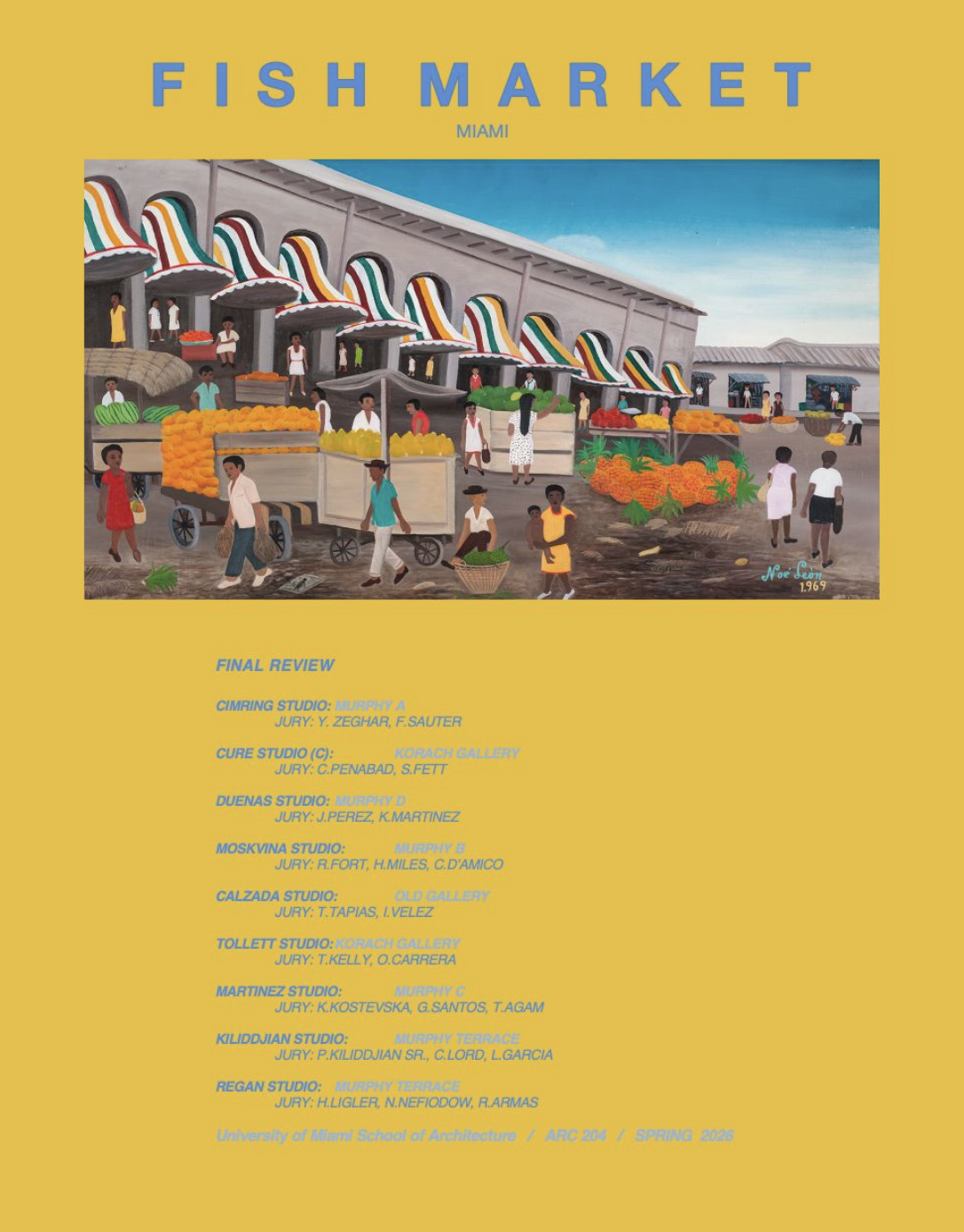
    Description: ARC 204 this semester centers on the public building as a civic and architectural idea through the design of a Miami Fish Market on the Miami River. The studio begins with the careful study of precedent, typology, and site, asking students to understand architecture as part of a larger urban and cultural continuity. From there, they document the Miami River “As Found,” learning to read its working life, physical conditions, and spatial character with precision and attention. The semester then moves toward the design of a fish market understood not simply as a program, but as a public building that gives form to collective life. Throughout, the studio asks how architecture can transform the ordinary into something memorable, civic, and enduring within the real conditions of Miami. 


  • ARC 605: DESIGN AND THEORY (Zeghar)

    605

    IMMERSIVE ARCHITECTURE DESIGN STUDIO - Cultural and Environmental Interpretation Center, Legion Park

    Faculty: Yasmine Zeghar

    Location: Murphy A

    Time: Afternoon Session

    Description: This project proposes a Cultural and Environmental Interpretation Center in Legion Park as a platform to reconnect people with Miami’s ecosystems. It promotes education, community engagement, and environmental awareness through exhibitions, workshops, and outdoor experiences. The design responds to challenges such as sea-level rise, hydrology, and biodiversity by integrating resilient strategies, passive systems, and climate-adapted materials. 

    Spatially, the project blurs the boundary between interior and exterior, creating a continuous relationship with the landscape through open circulation and public gathering spaces. Ultimately, the proposal positions architecture as a mediator between people, nature, and environmental responsibility. 

  • ARC 407-510-609: UPPER-LEVEL DESIGN (D'Amico)

    spring 2026

    BETWEEN EARTH AND SKY - Architecture for a Self-Reliant Future

    Faculty: Christopher D'Amico

    Location: Murphy B

    Time: Afternoon Session

    Description: Leave the city behind. Step out of the screen’s glow and into sunlight, wind, and open space. The Rural Studio is not a studio about simulation — it is a return to experience. Set within the vast 3,200 acres of Indian Hammock, the work begins not with a drawing, but with the land itself. Here, architecture is learned by walking, listening, touching.

    For one weekend, the classroom dissolves into the wild: UTVs cross the pine flatwoods, sketchbooks rest on fallen trunks, laughter rises around the fire, and stars replace the studio lights. Students wander among oaks and palms, visit the horses, trace the paths of water, and come to understand that the land is not a backdrop — it is the first teacher.

    Each student will design a self-reliant family homestead — a dwelling that feeds, shelters, and powers itself. A home that functions as a living organism, harvesting rain, producing energy, growing food, and returning its waste to the soil.

  • ARC 407-510-609: UPPER-LEVEL DESIGN (Chao/Garcia)

    spring 2026

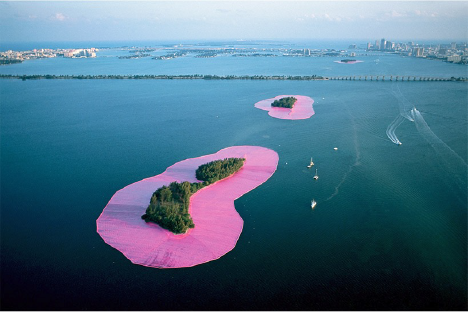
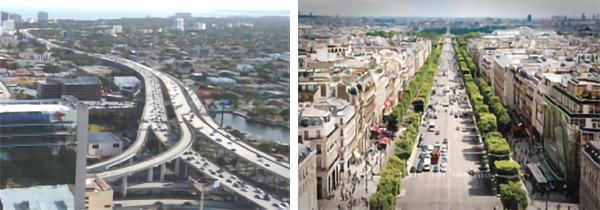
    Connecting the 'future' Florida Keys through an "urban terroir" lens -  from highways to boulevards

    Faculty: Sonia Chao and Tony Garcia

    Location: Building 49, Room 131

    Time: Afternoon Session

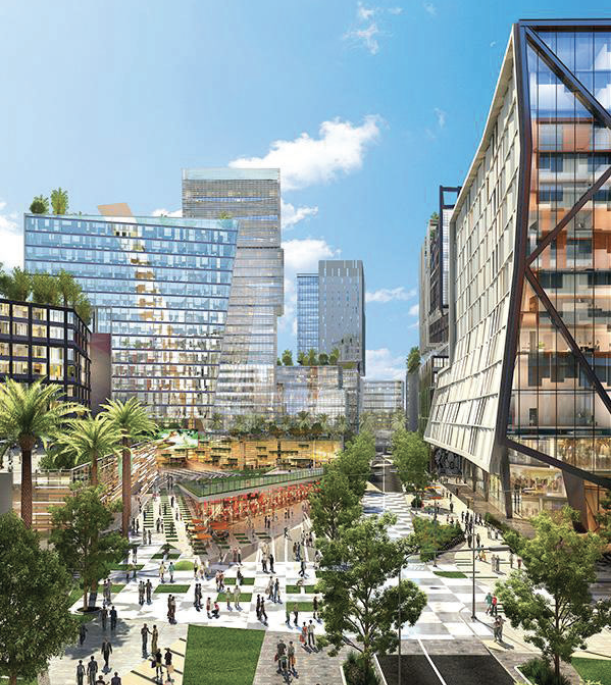
    Description: The “urban terroir” framework re-imagines coastal places by recognizing the intertwined influences of local geology, built heritage, cultural practices, and nature in shaping resilience-strategies for cities. It offers a holistic, data-driven and hyper-local methodology that integrates human-cultural relations, neighborhood identity and material context to assess vulnerabilities in the built and natural environment. This novel approach emphasizes cultural identity, historic preservation, community traditions, and place-specific characteristics as essential inputs into climate-adaptation planning, rather than imposing generic solutions. By synthesizing cultural asset benchmarking, modelling of flood and hazard risk (such as the SSBV model) and spatial analysis, the “urban terroir” concept provides a framework for aligning urban design, heritage conservation, and climate resilience in coastal zones.

    PROJECT

    This studio reimagines a segment of Miami-Dade’s elevated highways as a case study in needed climate-resilient urban corridors—anchoring “transit-oriented development” on higher ground and reconnecting future fragmented, island-like remnants of the region. In this case study, multi-level interstates, already situated above sea-level rise projections, are reconceived, integrating mixed-use development, rapid transit, pedestrian allées, plazas, and local slip-roads, collectively reducing flood risk, heat island effects, and car dependency. Lane reassignments shall include wide pedestrian sidewalks, light rail/trams, and bike lanes, with the aim of lowering carbon emissions and traffic congestion. Strategic rezoning along the new boulevard of mixed-use high-density infill shall include affordable housing, and civic uses, guided by a hyper-local “urban terroir” approach. Highway underbellies would provide access to services, parking-garages, and water-taxi docks at lowest elevations. A second site along a neighboring causeway shall be conceived as one of several future ‘Ponte Vecchio’-like bridges- spanning waterways and connecting resilient high-ground islands or future floating-districts. Students shall plan for a phased implementation of their design, with existing car-centric infrastructure being transformed—repairing the divisive and community fracturing legacy of highways and instead providing social and ecological cohesion. The result is a shall be a sustainable, inclusive urban fabric—envisioned as Miami-Dade’s evolves into the “next” Florida Keys.

  • ARC 407-510-602: UPPER-LEVEL DESIGN (Lombard)

    spring 2026

    LANDSCAPE AND URBAN DESIGN STUDIO

    Faculty: Joanna Lombard

    Consulting Faculty: Tom Klein, Director, UM Center for Urban & Community Development; Jennifer Posner, Director, Programs UM Climate Resilience Institute; Elizabeth Plater-Zyberk, Director, M.Urban Design Program; Victor Dover, Founder & Principal, Dover, Kohl & Partners

    Location: DPZ Office 

    Time: Afternoon Session

    Description: 

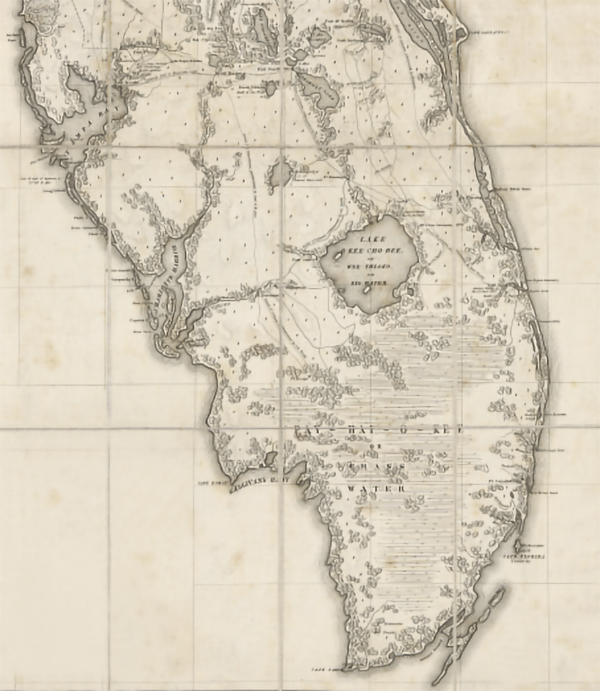
    Studio Goals: Urban design, landscape, and architectural proposals that reintegrate landscape and urbanism within the larger context of South Florida’s stormwater infrastructure and sea level rise projections

    Structure: Ongoing analysis and design with workshops and charrettes to develop aspirational and actionable proposals

    Resources: Current work conducted through the Biscayne Bay and Southeastern Everglades Ecosystem Restoration (BBSEER) project and the Miami-Dade Back Bay Coastal Storm Risk Management Feasibility Study and collaborations with South Florida stakeholders

    Collaborators: Faculty & students from UM’s College of Arts & Sciences, College of Engineering, and Rosenstiel School of Marine, Atmospheric & Earth Science, as well as Florida International University, the Everglades Foundation, the South Florida Water Management District, and other related agencies and advocates

    2 site visits: Miami to Lake Wales, FL and Miami to Naples, FL are optional. All travel and printing expenses are covered by the Studio.

  • ARC 407-510-609: UPPER-LEVEL DESIGN (Martinez)

    spring 2026

    TRADITION AND INNOVATION STUDIO: Exploring the role of tradition and innovation in design

    Faculty: Frank Martinez

    Location: Korach Gallery, North

    Time: Afternoon Session

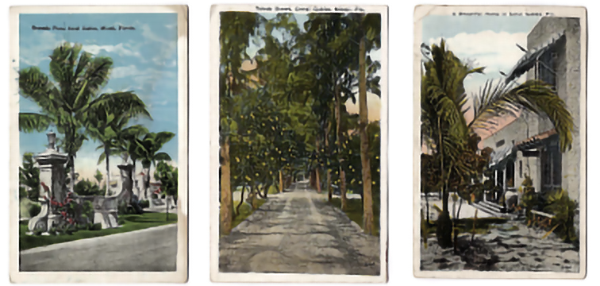
    Description: The studio’s focus on innovative practice methods, aimed at improving the built environment while safeguarding human scale, health and cultural heritage with Tradition & Innovation, shall be explored in proposals for ~ HOUSES & DWELLINGS ~ on selected lots and the first parcels along the Prado Entrance, in Coral Gables, Florida. Coral Gables, a citrus plantation reimagined as a Master-Planned Garden City inspired by “City Beautiful” movements, and now having been designed over 100 years ago, is looking to the studio for contributions on thoughtful architectural advancement for growth and development.

    Vernacular & Traditional Architecture + Urban Design

    Development, in Theory and Practice, will be a primary objective of the studio. Coral Gables’ team of Administrators, Board of Architects & Builders will support and assist with: Research, Applied Learning, Presentations, and Education in Practice. The architectural projects shall address the timeless needs of the present while framing, as a singular investigation, Architecture and Innovation. Significant Codes & Standards will be examined & tested for both viability and modern syntax. Inquiry, History and Building Traditions will be interwoven in the commitment and pursuit of Excellence in the Built Environment which, comparable with the design intentions that inspired “The City Beautiful”, will guide the search for answers to the new challenges that inspire current theory in Architectural Language & Character with Cultural Heritage.

Friday, April 24, 2026

Open All Tabs
  • ARC 102: ARCHITECTURE DESIGN II (Sauter, Coordinator)

    102

    ELEMENTS OF DESIGN

    Faculty: Florian Sauter (Coordinator), Andrew Clum, Hasna Sal, Noah Gear, Mohammad Shanti, Cristina Canton, Bruna Bacchi, Sebastian Eilert, Julio Perez, Crystal Torres

    Location: Murphy A, B, C, D and Curved Wall; Old Gallery; Building 48, Rooms 320 and 330; Korach Gallery

    Time: Morning Sessions

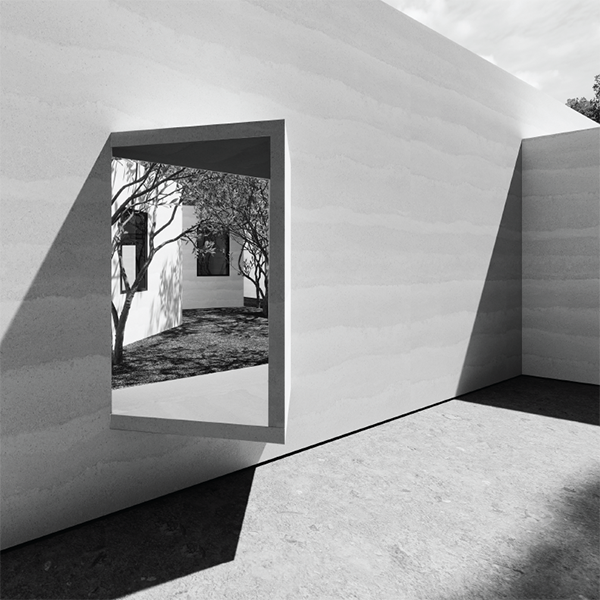
    Description: With every task, the givens change. Each time, one starts afresh. To remain an amateur is the architect‘s basic condition; to adapt and invigorate the recurrent challenge. Thus, architecture is not this or that; architecture is first of all critical awareness; in fact, it materializes most coherently when attitude becomes form. So, taking nothing for granted, curious, and developing a consciousness that the architect plans and imagines the future based on what is already there, the students, in their final design, worked on a Bar or Meditation Space on the School of Architecture campus. 

  • ARC 407-510-609: UPPER-LEVEL DESIGN (Alayo/Wong)

    spring 2026

    OVER | UNDER | INSIDE New York City

    Faculty: Juan Alayo and Visiting Critic, Thomas Wong, Ennead Architects

    Location: Korach Gallery

    Time: Afternoon Session

    Description: This design studio explores an expansion beyond the human construct in New York City—the city of endless access and constant motion. Students will design a school sited in one of three possible blocks in Manhattan, choosing among three disciplines— astronomy and planetary science, marine science, or spiritual wellness and meditation—to investigate how architecture can reconnect urban life with cosmic, natural, and spiritual realms. The studio challenges students to imagine experiences that expand the city’s definition of connection and discovery. 

    An optional and voluntary studio trip to New York City will be offered, but costs will not be covered. Estimated costs for a three night trip including round trip airfare are about $1500 - $1800.

  • ARC 608: INTEGRATED ARCHITECTURE DESIGN (Wong/Trautman)

    608

    INTEGRATED ARCHITECTURE DESIGN

    Faculty: Lily Wong and David Trautman

    Location: Murphy A and B

    Time: Afternoon Session

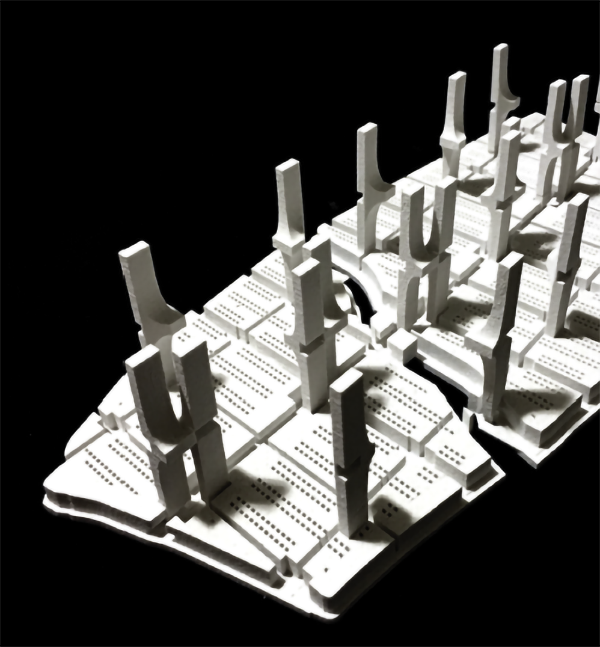
    Description: With the goal of integrating building systems and regulatory constraints into the design process, Tropical Tectonics explores South Florida’s climate and ecological settings to inform structural, material, and tectonic expressions in architecture. How do design considerations for mitigating heat, flooding, and hurricanes in Miami create new aesthetics and tectonics for public spaces in a subtropical region? 

Saturday, April 25, 2026

Open All Tabs
  • ARC 407-510-609: UPPER-LEVEL DESIGN (Branger)

    spring 2026

    NET ZERO HEALTHCARE DESIGN STUDIO

    Faculty: Alejandro Branger

    Location: Murphy B

    Time: Morning Session

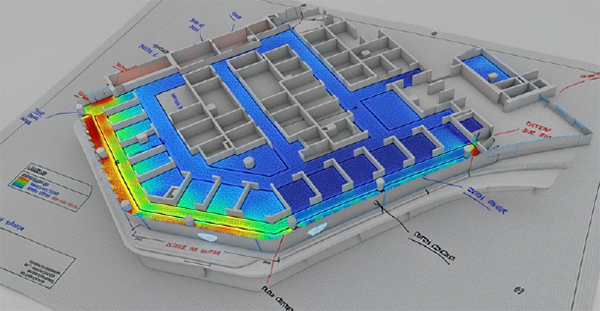
    Description: This Upper Design Studio focuses on Net Zero Healthcare—an advanced course for students looking to deepen their capabilities in sustainable and performance-driven design. The semester simulates a collaborative, office-like environment, equipping you with innovative workflows and analytical tools to master the design of healthcare facilities that promote healing, efficiency, and resilience. You’ll have the opportunity to explore diverse building types—from community clinics to regional hospitals—within the context of your choosing. While sustainability is central, this studio is ultimately about design excellence. Environmental performance and architectural quality are treated as equally important and fully integrated—reinforcing the idea that great healthcare design must be both restorative and responsible. You’ll dedicate significant time to using advanced simulation tools to model and predict building performance—energy use, daylighting, wind, solar radiation, and more—supporting informed, data-driven design decisions from the earliest stages. Through real-world projects, you’ll address the pressing challenges of climate, technology, and human wellbeing that shape today’s healthcare environments. To enrich our exploration, guest speakers from HKS Architects will share their expertise and experiences, offering valuable insight into the evolving future of healthcare design. Together, we’ll envision and create healing environments that are sustainable, adaptive, and rooted in design excellence.

  • ARC 407-510-609: UPPER-LEVEL DESIGN (Givens)

    spring 2026

    REBUILDING MARSHALL, NC - In the wake of Hurricane Helene

    Faculty: Ted Givens, AIA, Founding Partner BIRD Studio; Donnie Garcia-Navarro, Associate Designer, 10 Design / Research Associate RADLab; Sandra Botros, Architectural Designer II, 10 Design

    Location: Murphy C

    Time: Afternoon Session

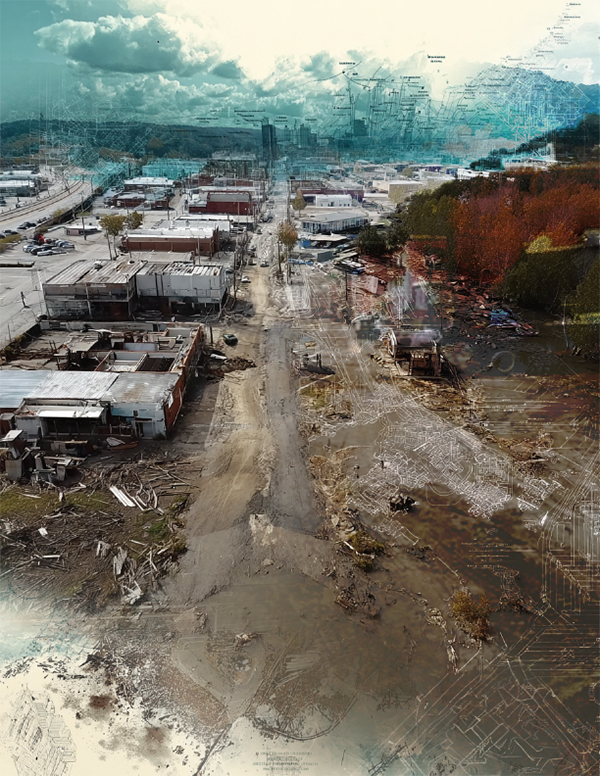
    Description: Last year Hurricane Helene devastated the town of Marshall NC. This studio will explore bold ideas on how to rebuild Marshall and weave in sustainable design concepts. The new concepts will have to go beyond rebuilding what existed to help future proof buildings. We will present the work of the studio to government officials, artists, residents, and local developers.

    Students will have a chance to talk with local builders and developers to learn about what new projects are being built and proposed along the river. The student’s ideas will have a chance to help shape the development of Western North Carolina. We encourage students to test and explore big ideas that stretch and blur the limits of what is possible.

    01 The first half of the semester will focus on research and larger master planning ideas. The entire north end of the town was destroyed by the storm. Students will explore how to mitigate flood damage, rebuild a sense of community, and create a new vision for Marshall. The north end of town was featured heavily in the Prime show The Peripheral, and also was the location for concerts that carry the folk history of the region. Students will have the chance to visit and explore Marshall early in the semester. 

    02 In the second half of the semester students will focus in on one particular space/building that peaks their interest. Possible buildings to study are a new police station and government facilities, retail shops, residential buildings, cultural centers, and artist’s Studios.

    We will also look at the River Arts District in Asheville which was heavily damaged by Hurricane Helene. The entire riverfront is being rebuilt and it’s the perfect moment to propose new ideas to help shape the future.

  • ARC 407-510-609: UPPER-LEVEL DESIGN (Yactayo)

    spring 2026

    PARAMETERS AND COINCIDENCES

    Faculty: Juan Yactayo

    Location: Korach 

    Time: Afternoon Session

    Description: While computational workflows require precision and rules,parameters are deliberately left indeterminate - anything goes. Operating in the tension between control and chance, this upper level studio will focus on designing frameworks to produce unexpected outputs.

    Students will be introduced to computational design thinking through tools like Grasshopper, Python, and AI.The class will cover basic to advanced techniques,applied to a critical urban challenge: vertical expansion in Miami. We will leverage the repetitive, systemic nature of mid- and high-rise typologies as a testing ground for computational spontaneity.

    The studio will feature guest lectures by computational designers from offices including Diller Scofidio+Renfro, Perkins&Will, Gensler, and Arcadis.

Monday, April 27, 2026

Open All Tabs
  • ARC 407-510-609: UPPER-LEVEL DESIGN (Khoury/Zyskovich)

    spring 2026

    THE MIAMI | NEW YORK HOUSING INNOVATION STUDIO

    Faculty: Bernard Zyscovich, Suria Yaffar, and Teymour Khoury

    Location: Murphy C

    Time: Morning Session

    Description: Miami and New York City are both struggling with severe affordable housing shortages and rapid urban transformation. While Miami faces a volatile real estate market and displacement pressures due to climate and economic shifts, New York City contends with density, aging housing stock, complex regulatory frameworks, and affordability. Addressing these challenges requires bold, innovative models for housing in dense, diverse, and dynamic urban contexts.

    The Miami | New York Housing Innovation Studio—a multi-year academic partnership between the University of Miami School of Architecture (U-SoA) and the Pratt Institute School of Architecture (SoA)—aims to foster innovation at the intersection of urban design, architecture, policy, and resiliency.

    In collaboration with Bernard Zyscovich, founder of the firm Zyscovich Architects, a visionary with deep expertise in housing, urban planning, and civic engagement in both cities, the studio will alternate its focus between Miami and New York City, giving students immersive and comparative experiences in two of the nation’s most pressing housing laboratories. Students travelling to New York City will be sponsored by the Zyscovich foundation.


  • ARC 407-510-609: UPPER-LEVEL DESIGN (Shulman)

    spring 2026

    NEW HOTEL AT THE SHORELAND ARCADE - An Arcades Project (redux)

    Faculty: Allan Shulman

    Location: Korach Gallery, South

    Time: Afternoon Session

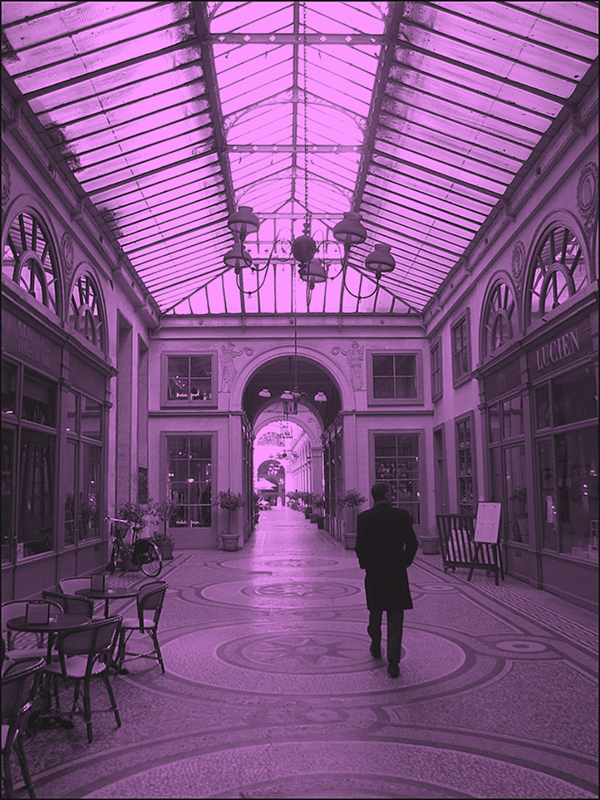
    Description: Urban arcades, among the most influential architectural forms of 19th century Paris, became a defining feature of Miami's downtown in the 1920s. The partially completed Shoreland Arcade, designed by Pfeiffer & O’Reilly and constructed between 1925-26, would have been Miami's foremost arcade complex, comprising shopping passageways linking all the surrounding streets beneath a 20-story office tower. The Great Miami Hurricane of 1926 halted the Shoreland’s development, leaving an architectural fragment. On the centenary of its interrupted completion, the 2026 Hotel Futures Design Studio invites students to reimagine the site, its arcades, and the airspace above to develop a mixed-use hotel. The project will immerse students in the nature of the contemporary hotel, its component features, and the culture of hotel development. Students will also ground their hotel project within an understanding of contemporary urban phenomena, and Miami’s urban life. Following (but reversing) the example of German philosopher Walter Benjamin's unfinished Arcades Project (written between 1927 and 1940), students will develop their own cultural criticism as the basis for their redevelopment of the Shoreland Arcade into a new forward thinking hotel.

  • ARC 407-510-609: UPPER-LEVEL DESIGN (Miller)

    spring 2026

    The use of volumetric modular design along with conventional concepts for new luxury hotel, condominium, and marina on Water Island, USVI

    Faculty: Steven Miller

    Location: Murphy C

    Time: Afternoon Session

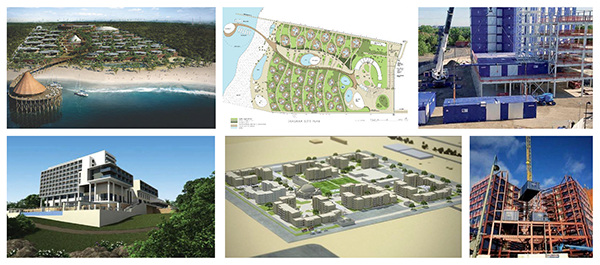
    Description: For this Studio we will be designing 160 key luxury hotel and signature condominiums. This will include a Marina for 120 boats, retail venues, and a signature spa. The program will include development of hotel front and back of the house, unique siting of buildings on the hillside and the harbor, a private dock for clients to arrive and a heliport. This project will be a LEED Platinum design that will include facilities for electric generation, potable water solutions, sanitary and trash conversion. Wherever possible the buildings will be designed using a Volumetric Steel Modular system. The studio will provide substantial information on hospitality and modular design.

    Steven W. Miller, FAIA RIBA Adj. Professor

    A practicing architect with over 40 years of experience, Steven Miller is presently a Principal in his architectural firm INNOVATION Architecture, partnered with Gustavo Ribeiro, AIA, and Zac Cronin, AIA Assoc., Coral Gables. His work over the years with his own firm and as a Regional Director of KPF, Perkins Eastman, and FX Collaborative has international hotels, adaptive re-use, urban planning, and real estate development in cities such as London, Prague, Milan, Dubai, Riyadh, and various health of experience through architectural design and real estate development. His firm is a series of ventures with Michael Graves Architects.

    Michael Graves & Associates, Inc.

    The sponsor of this Studio was founded by the late Michael Graves in Princeton, New Jersey in 1964. He was not only an internationally renowned architect but also the Robert Schirmer Professor of Architecture at Princeton University and instilled in the firm a lifelong dedication to education, culture, and civic values. Today, the core services provided by the Princeton-based staff include master planning, architecture, interior design, experiential design, graphic design, branding, and 3D visualization. Of the 8 MGA offices with 180 staff, we provide historic preservation services through their studios in Baltimore and Winston-Salem, North Carolina, and the Princeton staff has significant experience with historic sites and buildings throughout the world. MGA had originally provided planning and design services for the water island development.


  • ARC 407-510-609: UPPER-LEVEL DESIGN (Gelabert-Navia)

    spring 2026

    TROPICAL STUDIO

    Faculty: Jose Gelabert-Navia

    Location: Murphy A

    Time: Afternoon Session

    Description: The Design Project will focus on the design of a City Hall, a Hotel and a School in a Tropical setting. We will deal with issues which will raise questions of to whom and by what is a nation’s architecture represented by, will be discussed. We will study colonial and post-colonial Latin American societies and identify the forces of change and the nature of the struggle to achieve it. To understand hybridity as an inherent quality of national identity, and to understand the nature of these forms as reflections of the specific state of transition that a society is undergoing.

    We will discuss globalization and the issues of place. Within this context, place becomes something that is on the verge of being lost to an outside force beyond the control of the people within particular locations. Issues to be addressed will include:

    • local vs. global
    • authentic and rooted culture vs. adopted and international hegemony
    • embodied culture vs. global tourism
    • how, in the context of communities that are increasingly characterized by a mix of races and genders and culture, architecture can represent the cultural values of a multinational community within a global city.

    This Spring 2026 Upper Level Studio will participate in next year’s NOMA (National Organization of Minority Architects) competition. The studio will focus on developing a housing proposal for a coastal site in Miami. Join us as we think through issues of access, cultural history, and deliberate actions through design.

  • ARC 407-510-609: UPPER-LEVEL DESIGN (Ramos)

    spring 2026

    THE ARCH TECTAS · STOR

    Faculty: Olivia Ramos, deepblocks.com

    Location: Murphy B

    Time: Afternoon Session

    Description: It is easier to teach architects investment logic than it is to teach developers design. This studio will provide cutting edge real estate investment technology, powered by Deepblocks, so you can learn how to identify and design and own your projects.

  • ARC 407-510-609: UPPER-LEVEL DESIGN (Ceo/Adamson)

    ARC 407-510-609: Design Build Studio

    Faculty: Rocco Ceo and Jim Adamson

    Location: Design Build Studio will be installing the built work in Hobe Sound during the first week of May.

Saturday, May 2, 2026

Open All Tabs
  • ARC 610: THESIS (Perez)

    THESIS

    Faculty: Joachim Perez (Coordinator), Vyta Pivo, Juan Yactayo

    Location: Murphy Building and Terrace, Korach Gallery

    Time: Morning and Afternoon Sessions

Top